Flaky Vegan Pie Crust: All-Purpose Recipe for Sweet and Savory Pies
A crisp, flaky pie crust needs only flour, salt, cold fat and ice water, and with the right vegan butter it is every bit as flaky as the classic. Here is a reliable double-crust recipe with blind-baking steps.
A good vegan pie crust is flaky, crisp and buttery, and it is easier than its reputation suggests. Flakiness comes from small pieces of cold fat trapped between layers of dough. In the oven the water in the fat turns to steam and pushes the layers apart. Stick-style vegan butter does exactly what dairy butter does, as long as you keep it cold.
Ingredients
For one double-crust 9-inch (23 cm) pie, or two single crusts.
- 2½ cups all-purpose flour (315 g)
- 1 teaspoon fine salt
- 1 tablespoon sugar (for sweet pies; leave out for savory)
- 1 cup cold vegan butter sticks (226 g), cut into ½-inch cubes
- 6 to 8 tablespoons ice water
- 1 tablespoon apple cider vinegar (optional, makes the dough easier to roll)
Method
- Chill the fat. Put the cubed vegan butter in the freezer for 10 to 15 minutes. Vegan butter softens faster than dairy butter, so this step matters.
- Cut in the fat. Whisk the flour, salt and sugar in a large bowl. Add the cold butter and work it in with a pastry cutter or your fingertips until the largest pieces are the size of peas. Some bigger flakes are good.
- Add the water. Mix the vinegar into the ice water. Drizzle in 6 tablespoons and toss with a fork until the dough just holds together when squeezed. Add more water a teaspoon at a time only if needed.
- Divide and chill. Divide the dough in half, press each into a flat disc, wrap and refrigerate for at least 1 hour, or up to 3 days.
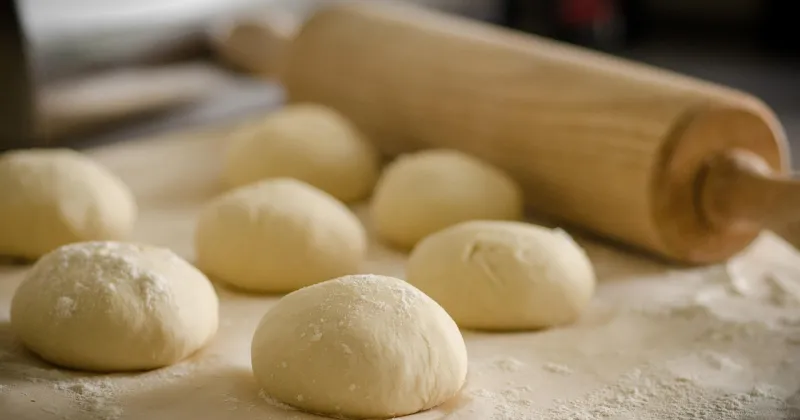
- Roll. On a floured surface, roll one disc into a 12-inch circle, turning it a quarter turn every few rolls. Fold it in half to move it into the pie plate, then unfold and ease it in without stretching.
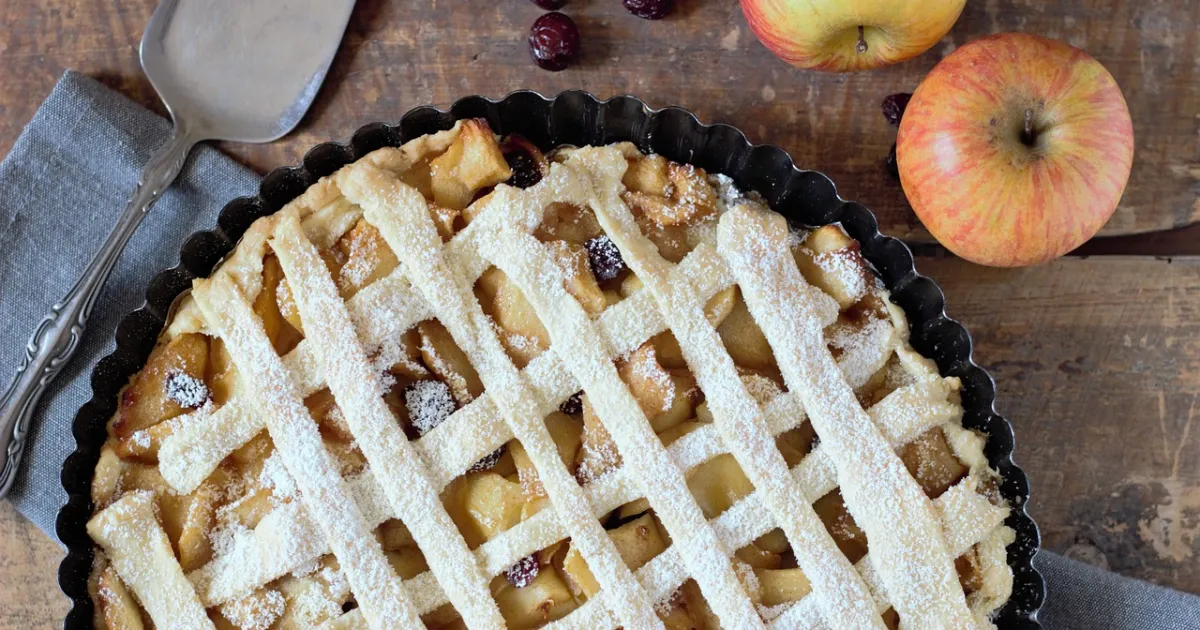
- Fill and top. Add the filling, roll the second disc and lay it over, or cut it into strips for a lattice. Trim, fold the edges under and crimp. Cut vents in a solid top.
- Chill again for 20 minutes before baking. Cold pastry holds its shape and bakes up flakier.
Blind baking a single crust
For pumpkin, custard-style or no-bake fillings, bake the crust first:
- Heat the oven to 400°F (200°C). Line the chilled crust with parchment and fill it with pie weights, dried beans or rice.
- Bake for 15 to 20 minutes, until the edges are lightly golden.
- Remove the parchment and weights, prick the base with a fork and bake for 8 to 12 minutes more, until the base is golden and dry. For a filling that will not be baked, continue until fully golden.
A shiny, golden top without egg wash
Brush the top crust with plant milk, or plant milk mixed with a teaspoon of maple syrup, and sprinkle with coarse sugar. Soy milk browns best because of its higher protein content. Melted vegan butter gives a richer color.
Choosing the fat
| Fat | Result | Notes |
|---|---|---|
| Vegan butter sticks | Flaky, buttery | Best all-round choice; keep very cold |
| Vegetable shortening | Very tender and flaky, little flavor | Easy to handle; add extra salt |
| Half vegan butter, half shortening | Flaky and forgiving | A good choice for beginners |
| Refined coconut oil, solid | Crisp, short | Must be chilled; melts quickly when rolling |
Avoid tub spreads, which contain more water and give a tough, greasy crust. Also note that not every margarine is vegan: US rules allow margarine to contain milk ingredients and animal fats, so check the label. Our vegan butter guide explains what to look for.
Store-bought crusts
Many ready-made pie crusts and puff pastry sheets are made with vegetable fats rather than butter, so they are vegan, but some contain butter or lard. Check the ingredient list.
Troubleshooting
- Crust shrank: the dough was stretched into the pan or not chilled before baking.
- Tough crust: too much water or too much handling. Mix just until it holds together.
- Soggy bottom: bake on the lowest rack, preheat a baking sheet under the pie, or blind bake first.
- Cracks when rolling: the dough is too cold. Let it sit for 5 minutes and try again.
Unbaked dough keeps for 3 days in the fridge or 3 months in the freezer. Thaw overnight in the fridge before rolling.
Questions
Is pie crust vegan?
Homemade crust made with vegan butter, shortening or oil is vegan. Traditional crusts often use butter or lard, so check store-bought ones.
Can I use coconut oil for pie crust?
Yes, use solid refined coconut oil and keep everything very cold. It gives a crisp, slightly less flaky crust.
Why add vinegar to pie dough?
A little acid makes the dough easier to roll and slightly more tender. It is optional.
Can I make the dough in a food processor?
Yes. Pulse the flour and cold butter until pea-sized, then add the water and pulse just until clumps form.