Vegan Butter: What It Is, What It's Made Of and How to Bake With It
Vegan butter is a plant-based fat made to behave like dairy butter. Here is what it is made of, how it compares with butter and margarine, and how to choose and use it so your cookies, pastry and frosting turn out right.
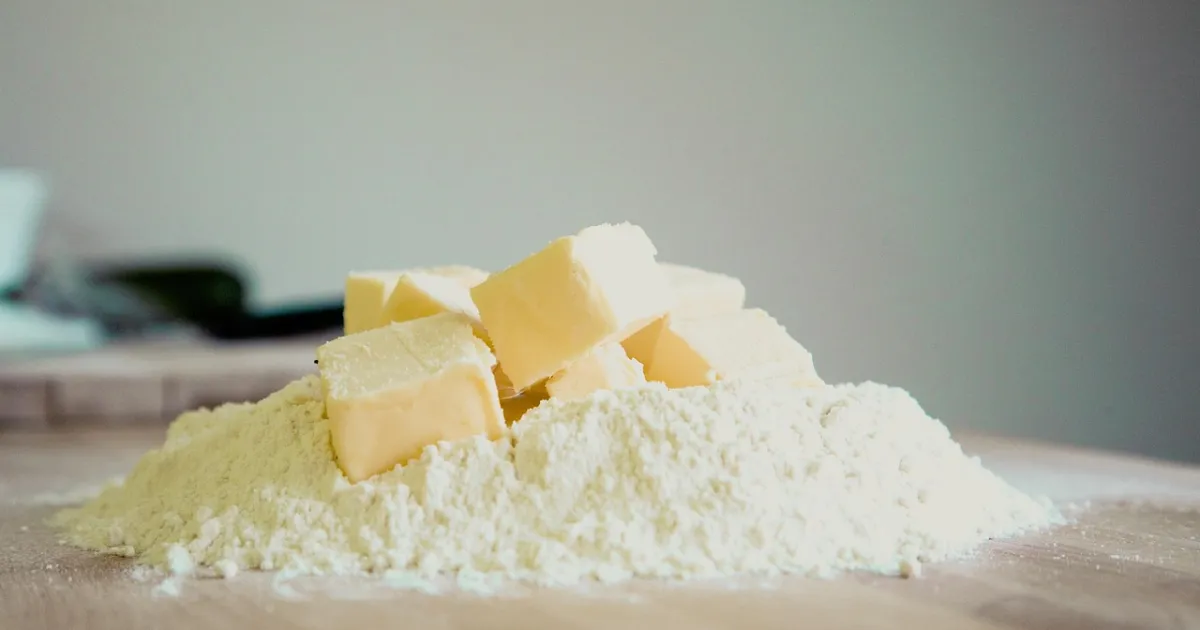
Vegan butter is a spread or block made entirely from plant fats and oils, designed to look, taste and bake like dairy butter. It is the single most useful ingredient for converting everyday recipes, because so many cookies, cakes, pastries and frostings start with "cream the butter and sugar".
This guide covers what vegan butter is made of, how it differs from real butter and margarine, which type to buy for baking and how to substitute it without surprises.
Is butter vegan?
No. Butter is a dairy product. US federal law defines butter as a food made exclusively from milk or cream, or both, containing at least 80 percent milk fat by weight. Anything sold simply as "butter" is therefore made from cow's milk. Products called vegan butter, plant butter or plant-based butter are separate foods with different ingredients.
What is vegan butter made of?
Most vegan butters combine three things:
- A blend of plant fats and oils. Solid fats such as coconut oil, palm oil or shea butter make the product firm at room temperature, and liquid oils such as sunflower, canola, olive, avocado or soybean oil keep it spreadable.
- Water. Dairy butter contains roughly 16 to 18 percent water, and vegan butter imitates that.
- Flavor and texture helpers. Salt, an emulsifier such as sunflower or soy lecithin to hold the fat and water together, natural flavor for a buttery taste, and sometimes a cultured ingredient such as fermented cashew or oat for tang. Many add beta-carotene or annatto for color.
Recipes vary a lot between brands. Some are coconut-heavy and firm, some olive-oil based and soft, and some use cashews or oats for a cultured, more butter-like flavor.
Vegan butter vs. margarine
Margarine has its own US standard of identity: it must contain at least 80 percent fat, which may come from vegetable oils or animal fats, and its water portion may contain milk or milk products such as whey. It must also be fortified with vitamin A. In other words, margarine is not automatically vegan.
Vegan butter is closer to a dairy-free margarine with a flavor designed to imitate butter. The practical difference for bakers is not the name but two things on the label: whether it contains any milk ingredients, and how much fat it contains. Since milk is a major food allergen, it has to be declared on the package, which makes the first check easy.
Plant-based products that imitate animal foods are a growing area for regulators too. In January 2025 the FDA issued draft guidance on how such products should be named and labeled so that shoppers understand what they are buying.
Sticks vs. tubs: why it matters for baking
This is the most important buying decision for bakers. Vegan butter sold in sticks or blocks is formulated to be firm, with a fat content close to dairy butter. Products sold in tubs are made to spread straight from the fridge, which usually means more water or more liquid oil.
In baking, that extra water and softness shows up quickly: cookies spread into thin puddles, pie crust turns tough and greasy, and buttercream refuses to hold its shape. Use sticks for anything where the butter's structure matters, and save tubs for toast and for recipes that call for melted butter.
How to choose the best vegan butter for baking
- Buy sticks for cookies, pastry, pie crust, scones, biscuits and frosting.
- Check the fat content. Compare the grams of fat per tablespoon on the nutrition label. Dairy butter has about 11 grams per tablespoon (14 g). A vegan butter close to that will behave most like butter.
- Consider the flavor. Cultured or olive-oil based butters taste more pronounced, which is lovely in shortbread or on bread but can be noticeable in a delicate vanilla cake.
- Watch the salt. Most vegan butters are salted. If a recipe calls for unsalted butter, reduce the added salt by about ¼ teaspoon per ½ cup of vegan butter.
- Check for allergens. Some brands use soy, cashews, almonds or coconut. Read the "Contains" statement if you bake for someone with allergies.
How to substitute vegan butter in recipes
Stick-style vegan butter replaces dairy butter one to one, by volume or weight. A few adjustments help:
- Keep it cold for pastry. Many vegan butters soften faster than dairy butter. Chill the cubes in the freezer for 10 minutes before cutting them into flour, and rest the dough in the fridge before rolling.
- Do not over-soften for creaming. For cookies and cakes, use it cool but pliable, not shiny and soft. Overly soft vegan butter traps less air.
- Chill cookie dough. Thirty minutes in the fridge stops eggless cookies spreading too much. Our vegan chocolate chip cookies are built around this.
- Browning is limited. Brown butter gets its nutty flavor from milk solids, which vegan butter lacks, so it will not brown the same way. Toasting a spoonful of plant milk powder or flour in the fat gives a similar effect.
Vegan butter substitutes
If you do not have vegan butter, other fats can work depending on the recipe:
| Substitute | Ratio for 1 cup butter | Works for | Watch out for |
|---|---|---|---|
| Refined coconut oil | ¾ to 1 cup, solid | Pie crust, cookies, scones | Firm when cold, melts quickly; add salt |
| Neutral oil | ¾ cup | Muffins, quick breads, oil-based cakes | No creaming possible; denser crumb |
| Vegetable shortening | 1 cup | Pie crust, biscuits, frosting | No water and no flavor; add salt and a splash of plant milk |
| Nut butter | Up to half the butter | Cookies, bars, brownies | Strong flavor; heavier texture |
Refined coconut oil has almost no coconut taste, while virgin coconut oil tastes clearly of coconut. For a full guide to replacing the other animal ingredients in a recipe, see our egg substitute guide.
Questions
What is vegan butter made of?
Usually a blend of plant fats such as coconut, palm or shea with liquid oils such as sunflower, canola or olive, plus water, salt, an emulsifier and natural flavor.
Is margarine the same as vegan butter?
Not always. US margarine can legally contain animal fats and milk ingredients, so check the label. Vegan butter contains no animal ingredients.
Can I use vegan butter instead of butter in baking?
Yes. Stick-style vegan butter replaces dairy butter one to one. Chill doughs a little longer, because many vegan butters soften faster.
Why do my cookies spread with vegan butter?
Tub-style spreads contain more water and soft oil. Switch to sticks and chill the dough for 30 minutes before baking.
Is cocoa butter vegan?
Yes. Despite its name, cocoa butter is the fat pressed from cocoa beans and contains no dairy.