Everything you bake, without the eggs and butter
Vegan baking recipes and ingredient swaps
Clear guides to plant-based baking: what replaces eggs, butter and milk, why it works, and cakes, cookies, pies and bread that turn out right.
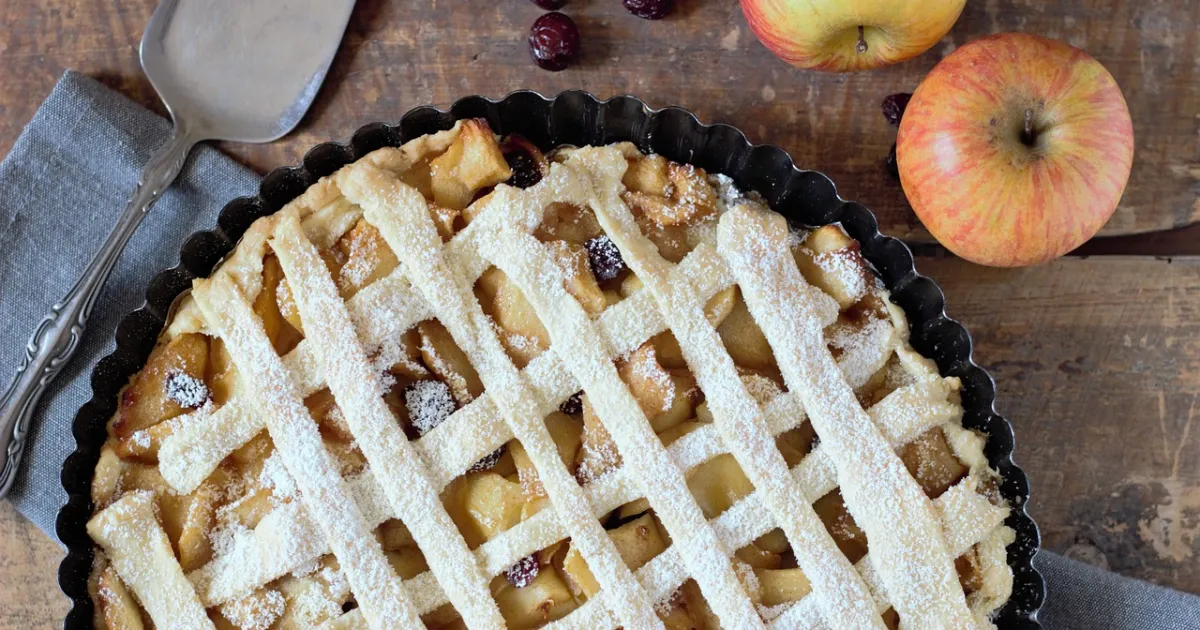 Flaky Vegan Pie Crust: All-Purpose Recipe for Sweet and Savory Pies
Latest guides
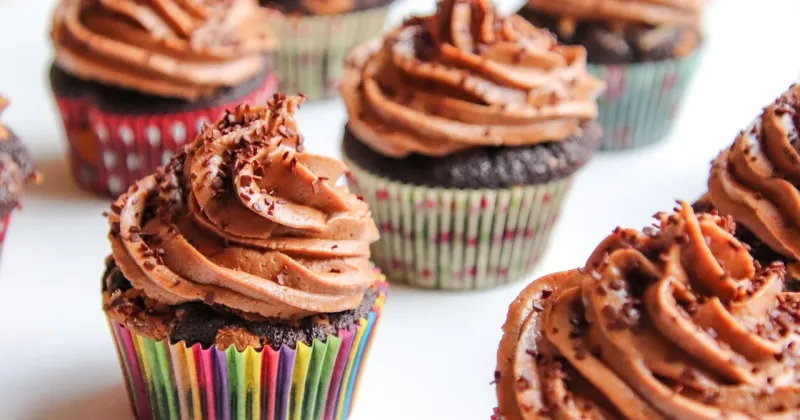
Vegan Frosting: Easy Buttercream for Cakes and Cupcakes
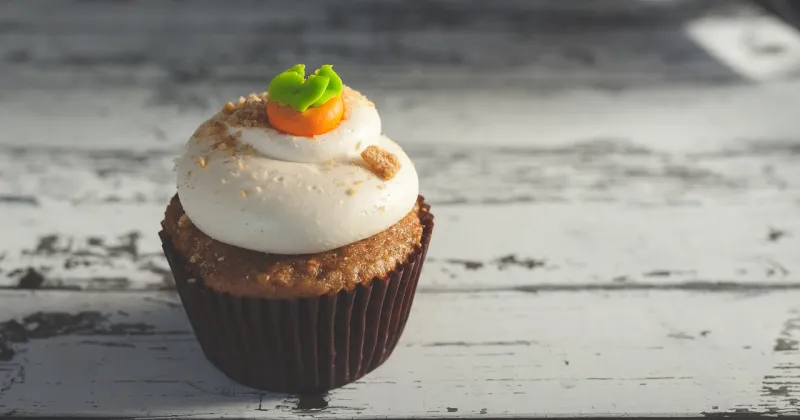
Vegan Cream Cheese Frosting That Stays Thick
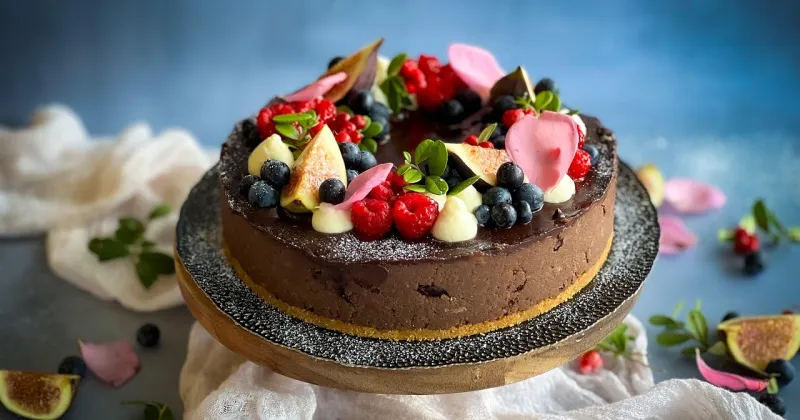
Vegan Chocolate Cake: Rich, Moist and Made in One Bowl
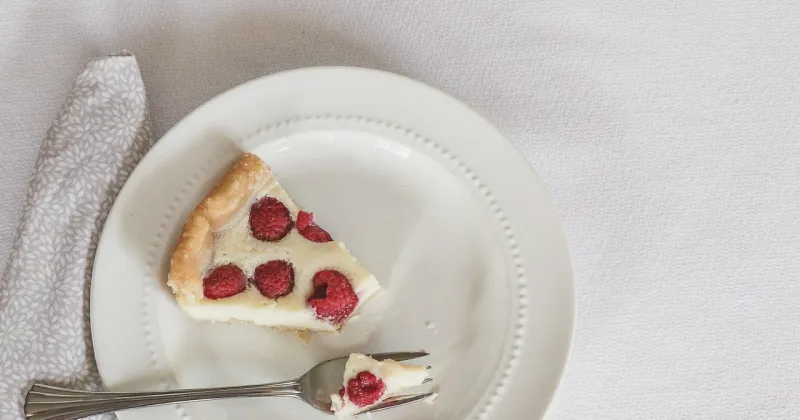
Vegan Cheesecake: Creamy No-Bake Cashew Recipe
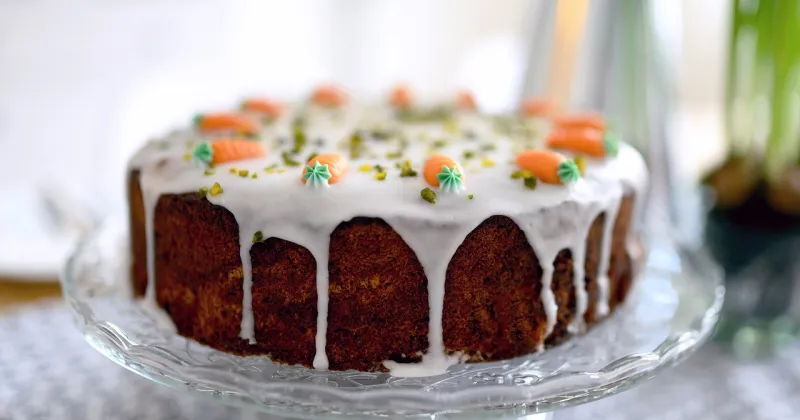
Vegan Carrot Cake With Cream Cheese Frosting
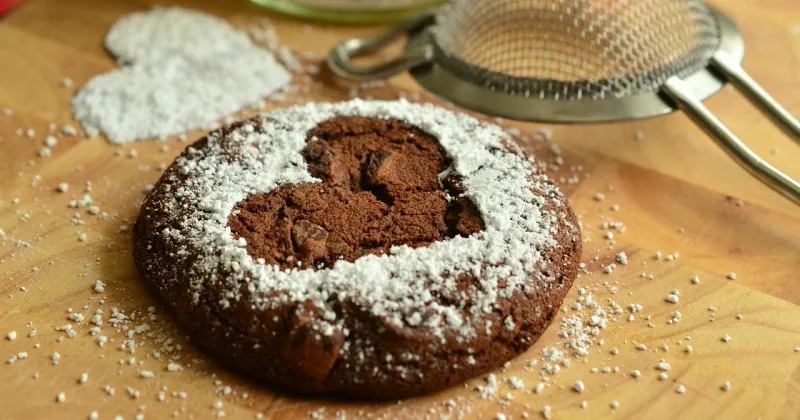
Fudgy Vegan Brownies With a Crackly Top
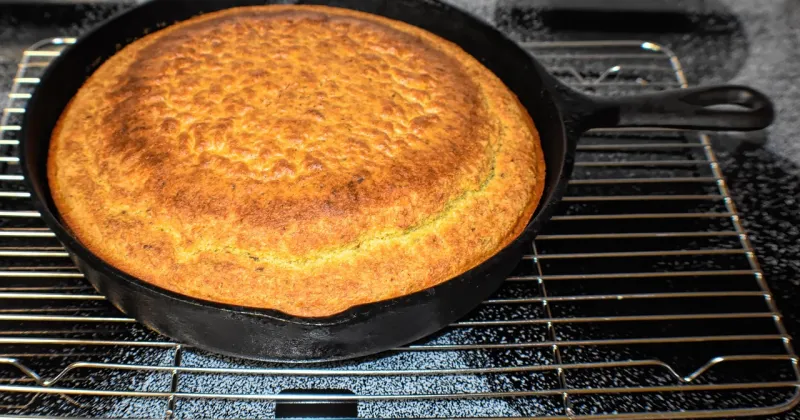
Vegan Cornbread: Golden, Tender and Lightly Sweet
Vegan Sweet Potato Brownies With Peanut Butter
Swap cheat sheet
Starting points for converting a recipe. Every swap behaves a little differently, so the guides explain when to use which.
| Instead of | Use | Works best in |
|---|---|---|
| 1 egg | 1 tbsp ground flaxseed + 3 tbsp water, rested 5–10 minutes | cookies, muffins, quick breads |
| 1 egg | 3 tbsp aquafaba (chickpea liquid) | cakes, brownies; whipped for meringue |
| 1 egg | ¼ cup unsweetened applesauce | moist cakes and muffins |
| 1 cup butter | 1 cup vegan butter sticks | cookies, pastry, frosting |
| 1 cup milk | 1 cup soy or oat milk | almost everything |
| 1 cup buttermilk | 1 cup soy milk + 1 tbsp lemon juice or vinegar | cakes, pancakes, biscuits |
Vegan baking at home: what changes and what stays the same
Take the eggs, butter and milk out of a recipe and most of baking is still standing. Flour, sugar, leavening, salt, heat and time behave exactly as they always did. What changes is that three hard-working ingredients have to be replaced by something that does the same job, and the job is different from one recipe to the next. Learn to ask what the egg was for, and plant-based baking stops being guesswork.
Whisk & Oat is written for home bakers: people who have gone vegan, people baking for a friend or a child who cannot have eggs or dairy, and people who simply want to know what is in the bag of flour. Recipes use US cups and spoons, with grams where precision matters. This page follows the order we would teach a friend: pantry first, cooling rack last.
First, learn what each ingredient was doing
An egg can bind a dough, trap air, add moisture or set a filling, and no single replacement does all four. Ground flaxseed stirred into water makes a gel that holds cookies and muffins together. The liquid from a can of chickpeas whips into foam. Fruit puree adds moisture and tenderness but very little structure. So the right swap depends on the recipe, and our guide to egg substitutes for baking sets out what to use, how much of it, and where each one tends to fail.
Fat is the next question. Butter brings flavor, but it also creams with sugar, layers into pastry and firms up when cold, which is why sticks and soft tubs do not behave alike. Vegan butter: what it is made of and how to bake with it covers the differences. Milk is the easy one: an unsweetened plant milk can usually stand in directly. The Baking Basics section keeps all of this in one place.
The "is it vegan?" questions
Plenty of baking staples are plant-based already. A few are not, and only the ingredient list will tell you. Our short explainers answer the questions readers ask most: whether flour is vegan; which breads are vegan and which ingredients to check; and what cocoa butter actually is, despite the name.
One caution: vegan means made without animal products, not free of nuts, soy, gluten or other allergens. If you bake for someone with a food allergy, read every label, every time.
Cakes, cupcakes and frosting
Cake is where people expect vegan baking to disappoint, and where it is easiest to prove them wrong. Many eggless cakes get their lift from baking soda meeting a little acid, with oil keeping the crumb soft, so the batter comes together in one bowl with a whisk.
A good first bake is the easy one-bowl vegan cake. After that, choose by occasion: a tender vanilla layer cake for birthdays, a rich, moist chocolate cake or a tray of fluffy vanilla cupcakes. Frosting has to hold its shape without dairy butter, and our vegan buttercream guide explains how to get it thick enough to pipe. The Cakes & Cupcakes section has the rest.
Cookies, brownies and bars
Cookies forgive almost everything, which makes them the best place to practice. Texture is mostly a matter of fat, sugar and time: a shorter bake leaves the middle soft, a longer one makes it crisp, and a rest in the refrigerator helps when dough spreads too far. Brownies ask a different question, fudgy or cakey, and the answer lies in the balance of flour, fat and leavening.
Start with the classic: chewy, golden vegan chocolate chip cookies. In the fall, make the soft pumpkin cookies. For bars there are fudgy brownies with a crackly top and sweet potato brownies with peanut butter.
Quick breads, muffins, pie crust and yeast loaves
Banana and pumpkin loaves were nearly vegan to begin with. The fruit supplies moisture and helps hold the crumb together, so the egg is hardly missed. That makes one-bowl banana bread and spiced pumpkin bread ideal first projects, with pumpkin muffins under a cinnamon streusel close behind. Stir these batters only until the flour disappears.
Pastry is about cold fat and a light hand, whatever the fat is made from. Our flaky all-purpose pie crust works for sweet and savory pies alike. Everyday bread is simpler still, since a plain loaf can be made from little more than flour, water, yeast and salt; the homemade sandwich loaf is the place to begin.
When a bake goes wrong
Every baker turns out a sunken cake or a greasy cookie now and then. Before blaming the recipe, check the usual suspects:
- Measuring. Flour packed into a cup weighs more than flour spooned in lightly. Use the gram weights whenever a recipe gives them.
- The wrong swap for the job. A replacement that binds will not necessarily lift, and one that adds moisture can make a dense bake denser.
- Temperature. Ovens run hot or cold, and warm dough spreads. Chill when the recipe says so, and let a cake cool completely before frosting it.
Who is behind the recipes, and how they are checked
Whisk & Oat is independent. We do not sell baked goods or ingredients, no brand pays to be mentioned, and there are no affiliate links or sponsored posts. Statements about ingredients and labeling rest on official sources such as the US Food and Drug Administration, on manufacturers' own product information and on established baking references. Because swaps behave differently from recipe to recipe, we explain the reasoning and say plainly where a replacement tends to fail.
The Vegan Bakeries section is for the days you would rather buy than bake; those guides are checked against each bakery's own information and show the date of the last check. We are a guide, not a bakery, and have no connection with the bakery that used this address before. Read more in our editorial standards and on the about page, or write to us with a correction.
Sections
- Baking BasicsWhat replaces eggs, butter and milk, which flours and sugars are vegan, and how plant-based baking really works.
- Cakes & CupcakesLayer cakes, cupcakes, frostings and fillings without eggs or dairy.
- Cookies & BarsChewy cookies, fudgy brownies and bars that keep their texture without eggs.
- Pies, Pastry & BreadFlaky crusts, tarts, pastries, muffins and everyday bread, made plant-based.
- Vegan BakeriesWhere to find good vegan cakes and pastries, starting with New York City. Checked against the bakeries' own information.