Is Bread Vegan? Which Breads Are and Which Ingredients to Check
Most basic bread is vegan, because the essentials are flour, water, yeast and salt. But US rules allow milk, eggs and other extras, so here is which breads are usually vegan, which usually are not and what to look for on the label.
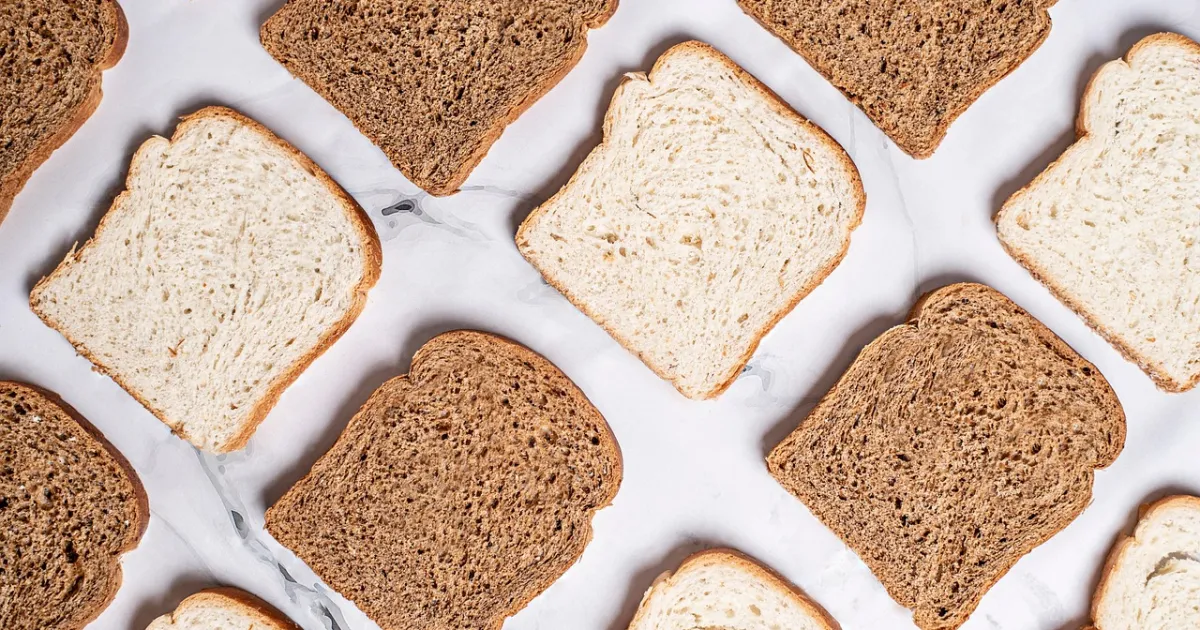
Bread can be vegan, and basic bread usually is. All you need for a loaf is flour, water, yeast and salt, and all four are plant-based or, in the case of yeast, a fungus. The catch is that many breads add more: milk for softness, butter or eggs for richness, honey for sweetness. The answer depends on the type of bread and on the label.
What US rules allow in bread
In the United States, bread, rolls and buns have a federal standard of identity. Besides flour, water and yeast, it lists a long range of optional ingredients, including shortening, milk and other dairy products, egg products, sweeteners, enzymes and dough conditioners. That is why two plain-looking white loaves can differ: one may be made only with plant ingredients, the other with milk powder and butter.
Milk and eggs are two of the nine major food allergens, so when they are present, US labels must declare them in the ingredient list or in a "Contains" statement. This makes them easy to spot.
Breads that are usually vegan
- Sourdough: traditional sourdough is just flour, water and salt, leavened by a starter of wild yeast and bacteria. It is one of the most reliably vegan breads.
- French baguette and Italian bread: classic lean doughs of flour, water, yeast and salt. Some supermarket versions add milk or butter, so check.
- Ciabatta and focaccia: usually made with olive oil, not butter.
- Pita: traditionally flour, water, yeast, salt and sometimes oil or a little sugar.
- Rye and pumpernickel: typically vegan, though some include honey or milk.
- Tortillas: corn tortillas are usually just corn, water and lime. Flour tortillas may use vegetable shortening or lard, so read the label.
- Many sandwich loaves: plenty of sliced white and wheat breads are vegan, but this is where checking matters most.
Breads that are usually not vegan
- Brioche and challah: enriched with eggs, and brioche also with butter. Some challah recipes use oil instead of butter but still contain eggs.
- Naan: traditionally made with yogurt or milk, and often brushed with ghee or butter.
- Milk bread and soft dinner rolls: made with milk, butter or both for a soft, pillowy crumb.
- Croissants: laminated with butter. Vegan versions exist but are labeled as such.
- Honey wheat and honey oat: honey is not considered vegan by most vegans.
- Cheese breads, garlic bread and soda bread: may contain cheese, butter or buttermilk.
Ingredients to check on the label
| Ingredient | Animal-derived? | What to know |
|---|---|---|
| Milk, whey, casein, butter, buttermilk | Yes | Dairy; declared as milk on the label |
| Eggs, egg wash, albumen | Yes | Declared as egg on the label |
| Honey | Yes | Made by bees; avoided by most vegans |
| Lard | Yes | Pork fat, sometimes in tortillas and older recipes |
| L-cysteine | Sometimes | Dough conditioner; source not shown on labels |
| Mono- and diglycerides | Sometimes | Emulsifiers usually made from vegetable oils, but can come from animal fat |
| Lecithin | Rarely | Usually soy or sunflower; egg lecithin is uncommon |
| Yeast, enzymes | No (usually) | Yeast is a fungus; most baking enzymes come from microbes |
A closer look at L-cysteine
L-cysteine is an amino acid approved in the US as a dough strengthener for yeast-raised baked goods. It is used mostly in commercial breads, bagels and pizza dough to make dough easier to handle. It can be made by fermentation, but a survey by the Vegetarian Resource Group found that most of the supply came from duck feathers, hog hair or human hair, with non-animal versions a small and more expensive share. Because labels do not state the source, strict vegans either avoid it or ask the manufacturer.
How to find vegan bread
- Read the "Contains" line first. If it lists milk or egg, the bread is not vegan.
- Then scan for honey, lard, L-cysteine and mono- and diglycerides.
- Look for a vegan label. Certified products save you the guesswork about ambiguous ingredients.
- Ask at the bakery. Unpackaged bakery bread has no ingredient label. Ask about milk, butter, eggs, honey and the glaze.
- Bake it yourself. A simple loaf of flour, water, yeast, salt and a spoonful of olive oil is fully vegan and easier than it sounds.
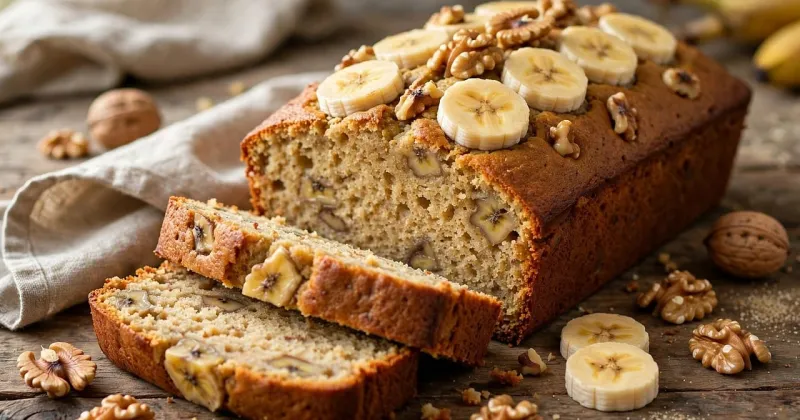
Flour itself is never the issue: plain, enriched and bleached flours are all vegan, as we explain in Is flour vegan?. For a sweet, quick bread with no yeast or eggs, try our vegan banana bread.
Questions
Is sourdough bread vegan?
Traditional sourdough is vegan: it is made from flour, water and salt, with a starter of wild yeast and bacteria. Some flavored sourdoughs add cheese, milk or honey, so check.
Is white bread vegan?
Many sliced white breads are, but some contain milk, butter or honey. Check the ingredient list and "Contains" statement.
Is yeast vegan?
Yes. Yeast is a single-celled fungus, not an animal, and is considered vegan.
Is pita bread vegan?
Usually. Traditional pita is flour, water, yeast and salt, sometimes with oil or sugar. A few brands add milk or honey.
Is naan vegan?
Traditional naan is not, because it is made with yogurt or milk and often brushed with ghee. Vegan naan is available and labeled as such.
Are English muffins vegan?
Some are and some are not. Many contain milk or butter, and some use L-cysteine, so read the label.